

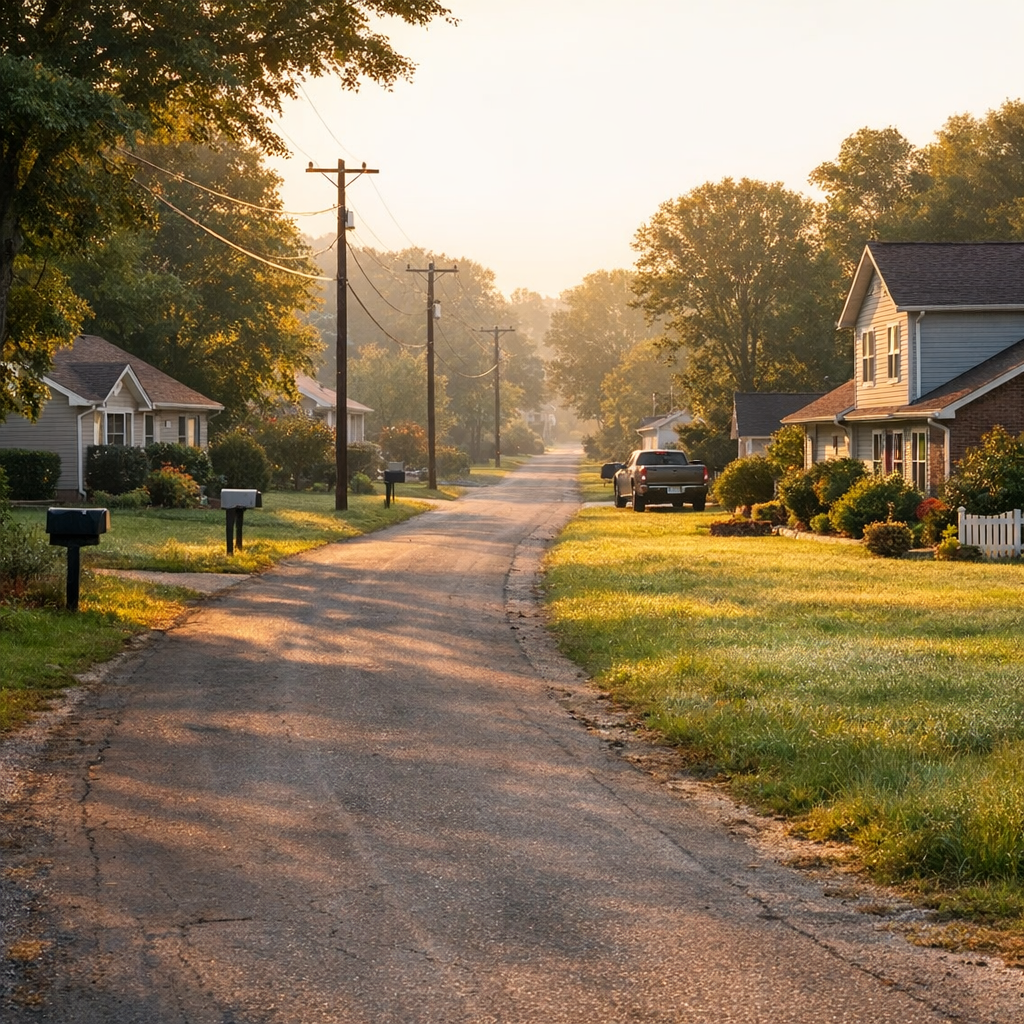
I’ve lived in Murfreesboro long enough to remember summers when kids played on sidewalks, neighbors walked to the Square, and a walk to the corner store felt safe. Now, too often, those sidewalks are missing—in neighborhoods where new roads are built, in places where bus stops lack hardened crossings, in stretches where streetlights end and darkness begins.
Why This Matters
This isn’t just an inconvenience—it affects real people. Residents who don’t drive, especially older adults or families without two cars, often feel boxed in. Buses might stop, but getting to the stop means stepping off a slick curb, dodging traffic, or walking past construction without a safe path. That’s dangerous, stressful, isolating.
What I’ve Learned from Listening Around Town
Through conversations and following local discussion boards, a few recurring points stick out:
- Some neighborhoods have no sidewalks at all, creating gaps—even for short trips—to parks, schools, or groceries. Walking or biking feels like a risk.
- Where sidewalks exist, they’re often broken, blocked, or disconnected, and crossing streets safely is another barrier. Crosswalks may be faded or absent. Street design sometimes favors speed over safety.
- Cultural expectations also matter. For many new developments, especially in fast-growing subdivisions, pedestrian infrastructure is an afterthought—an optional amenity rather than a necessity.
Small Fixes, Big Differences
What I believe could help:
- Require sidewalks in all new developments. If you build a road, build a walk.
- Prioritize filling sidewalk gaps in existing neighborhoods. Target streets that connect to schools, transit, parks—all places people need to get to without needing a car.
- Improve crosswalks and curb ramps. Make them visible, accessible, and regularly maintained.
- Engage residents—listen to those who walk already. They know which roads feel dangerous, which stoplights aren’t long enough, which sidewalks end abruptly.
- Use volunteering and community groups. Sometimes, residents can help clean up overgrown edges of sidewalks, report damage, or even help fund small safety lighting projects.
Looking Forward
Murfreesboro is growing fast. We’re building homes, shopping centers, roads—often very well. But what good is a new neighborhood if I can’t safely walk to the bus, to meet a friend, or to grab groceries? If we want Murfreesboro where people stay, where every voice and every pace is honored, we have to build for pedestrians just as much as we build for cars.
Let’s imagine our city connected—not just by roads, but by sidewalks, by safe crossings, by room to walk. For all of us.